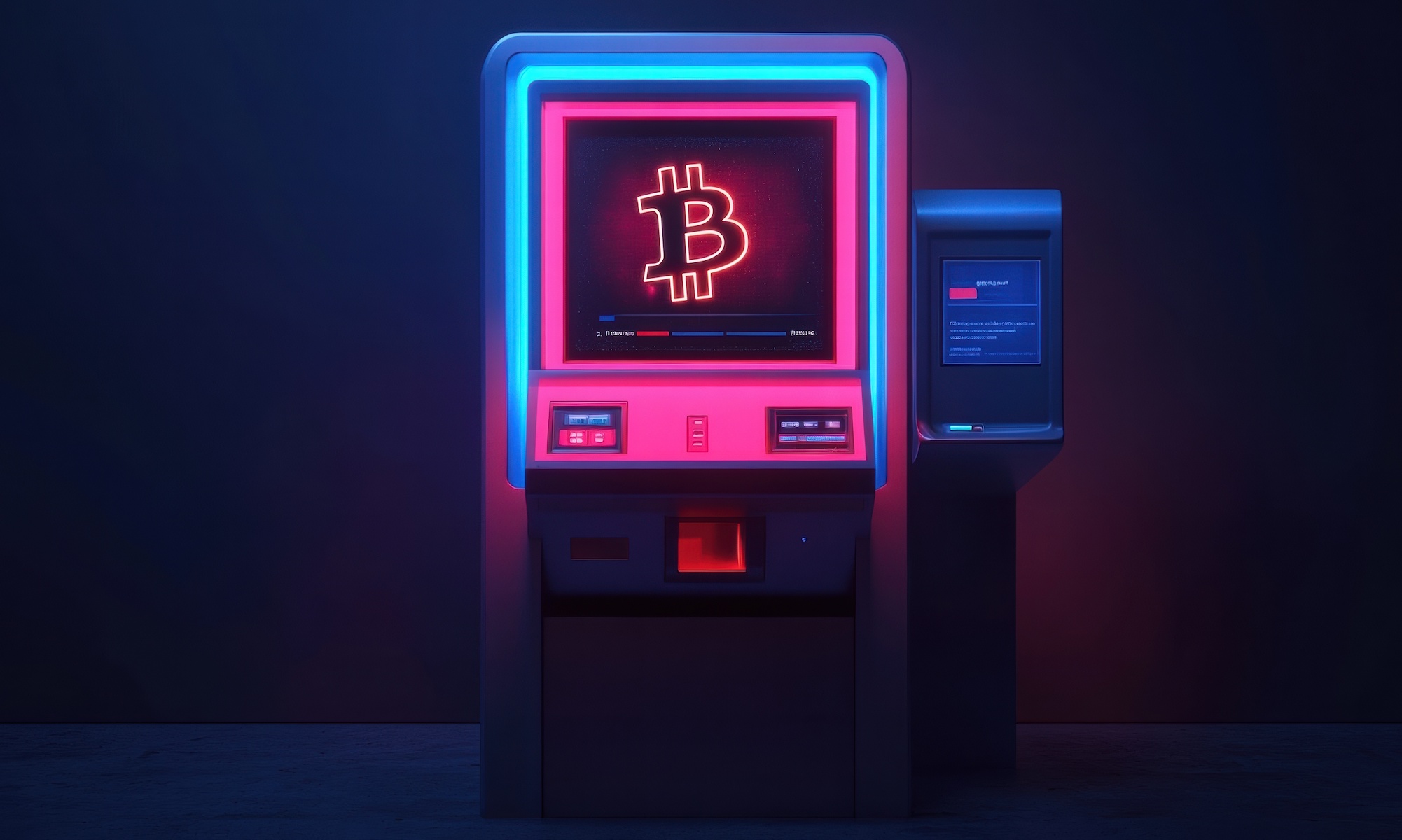
States and cities across the country are moving to ban cryptocurrency kiosks as scams mount. Lawmakers want to stop criminals from using physical cash machines to trick people out of money. These machines let people swap paper cash for digital coins in convenience stores and gas stations.
Why are governments targeting cryptocurrency kiosks?
Local leaders are taking action because scammers use these physical machines to steal money from regular people. Fraudsters often call victims, scare them with fake stories, and tell them to put cash into a nearby machine. Once the paper cash goes into the kiosk, it turns into digital coins and vanishes into a private wallet.
Law enforcement reports show that older residents are often the main targets of these fraud schemes. Scammers pretend to be government agents, bank workers, or tech support teams. They keep victims on the phone until they reach a kiosk and send the money away forever.
What are cryptocurrency kiosks and how do they work?
A cryptocurrency kiosk looks just like a standard bank ATM sitting in a corner grocery store. Instead of pulling cash out of a checking account, a user puts cash in to buy digital tokens. The machines are tied directly to networks built around cryptocurrency and digital payments.
Legitimate users can use these machines to buy tokens without having a regular bank account. But the physical nature of these kiosks makes them a fast bridge between paper cash and irreversible digital transfers. Here are a few ways these kiosks operate today:
- They accept cash bills directly from users at corner shops and gas stations.
- They send digital funds straight to a digital wallet address entered on the screen.
- Transactions cannot be canceled once the cash is accepted by the machine.
- Machines charge high fees compared to standard online crypto exchanges.
How do kiosk bans stop cryptocurrency and crime?
Banning these kiosks cuts off a key cash exit that criminals use every day. Regulators point out that physical kiosks create big risks when it comes to cryptocurrency and crime in local neighborhoods. Without an easy cash machine on the corner, scammers have a much harder time getting immediate cash from victims.
City leaders believe that removing the machines gives victims time to think before losing their life savings. When a person has to walk into a bank or use a regulated exchange, there are more checks in place. Bank workers can spot panicked customers and stop a bad transaction before it happens.
What to watch for next as new bans roll out
More cities and state governments are likely to copy these bans in the coming months. Kiosk operators may push back with legal challenges or offer to add new warning signs and transaction limits on their screens. However, public pressure remains high because scam losses continue to hurt vulnerable families.
Ordinary shoppers should always remember that no real agency ever asks for cash payments through a corner kiosk. If anyone calls and demands that you feed cash into a machine, it is always a scam. Staying aware of how these machines are used helps protect you and your community.